
How the Procedure Works
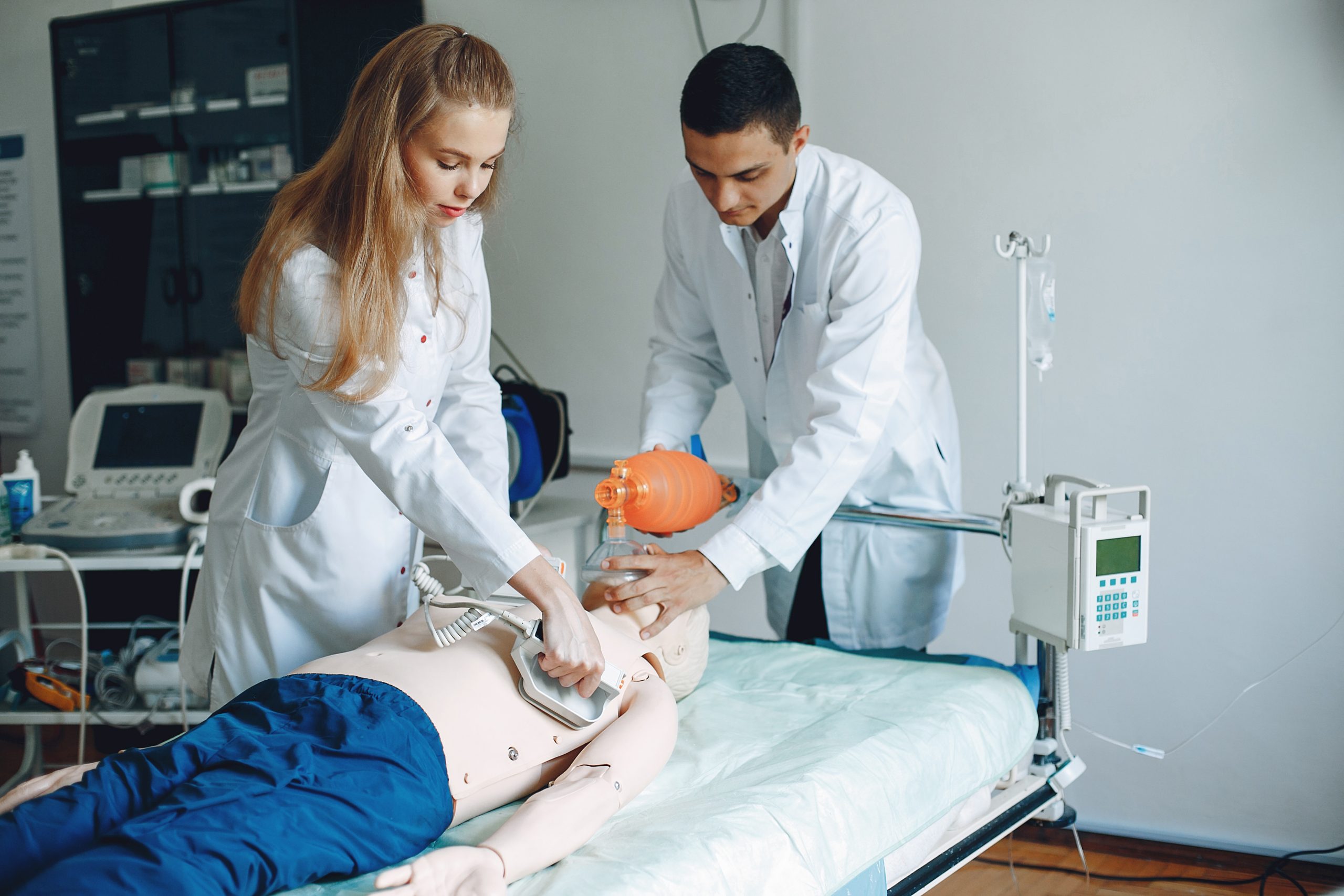
During manipulation under anesthesia, the patient is typically administered a sedative or anesthetic to ensure comfort and relaxation. Once the patient is sedated, the provider gently moves the affected joint through its full range of motion. This controlled manipulation helps loosen tight structures that restrict movement and cause discomfort.
The procedure is often brief, usually lasting between 30 to 60 minutes depending on the joint involved and the severity of stiffness. Since the patient is under anesthesia, they do not experience the pain that would normally accompany such aggressive stretching. After the procedure, patients may undergo physical therapy to maintain improvements in mobility and prevent the joint from stiffening again.
Conditions Commonly Treated With MUA
Manipulation under anesthesia can be beneficial for a variety of musculoskeletal conditions. Some of the most common include:
Adhesive capsulitis, also known as frozen shoulder
Post-surgical stiffness in joints such as knees or elbows
Joint contractures due to prolonged immobilization or injury
Chronic pain associated with limited mobility
Providers typically recommend MUA only after less invasive treatments have not provided sufficient improvement. By doing so, they can ensure that the procedure is necessary and likely to deliver meaningful results.
Benefits of Choosing MUA
MUA offers several advantages compared to other interventions. Patients can experience rapid improvements in joint flexibility, pain relief, and functional ability. Because the procedure is performed under anesthesia, it eliminates the discomfort that might otherwise prevent patients from fully participating in range-of-motion exercises.
Another benefit is the minimal downtime associated with MUA. Most patients can resume light activities within a day or two, although full recovery and strengthening may require ongoing physical therapy. For individuals who have struggled with persistent stiffness or limited joint movement, MUA can provide a faster path to regaining normal function.
Why MUA Training
At MUA Training, practitioners like Bruce M. Fischer specialize in teaching safe and effective manipulation techniques. Their training programs emphasize proper patient evaluation, anesthesia use, and post-procedure rehabilitation. By focusing on both the technical and patient-centered aspects of MUA, the training ensures practitioners are equipped to deliver optimal outcomes.
Preparing for the Procedure
Before undergoing manipulation under anesthesia, patients should discuss their medical history and any existing conditions with their healthcare provider. Understanding the risks, expected outcomes, and rehabilitation requirements helps ensure a smooth experience. Providers may also recommend pre-procedure exercises or adjustments to medications to maximize safety and effectiveness.
Conclusion
Manipulation under anesthesia is a valuable option for individuals with joint stiffness and mobility limitations who have not found relief through traditional treatments. By combining sedation with targeted joint movement, MUA can safely restore function, reduce pain, and improve quality of life.
Through specialized training from MUA Training and guidance from experienced providers like Bruce M. Fischer, healthcare professionals can perform this procedure safely while maximizing patient outcomes. For those struggling with restricted joint motion, MUA offers a proven path to regaining mobility and returning to daily activities with less discomfort.

About the Author
Bruce M. Fischer, D.C., C.C.S.P.
March 1, 2026
