
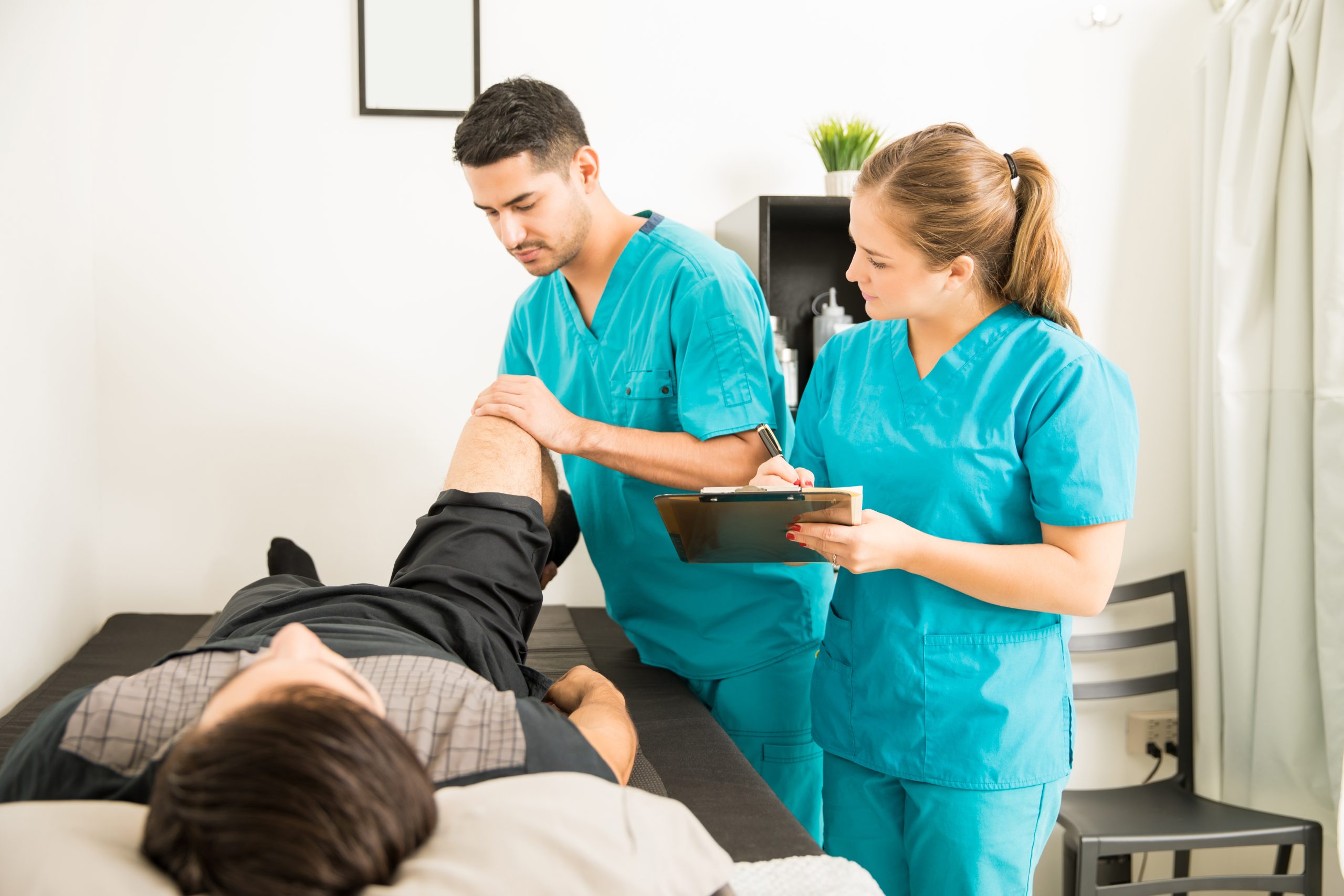
Why Knee Stiffness Can Be a Problem
Knee stiffness often develops after surgery, injury, or periods of prolonged immobility. Scar tissue and adhesions can form within the joint, limiting motion and making exercises uncomfortable or even impossible.
Persistent stiffness not only reduces mobility but can also impact overall quality of life. Tasks like walking, climbing stairs, or standing for extended periods may become difficult, emphasizing the need for safe and effective interventions. Providers trained through MUA Training have the expertise to safely address these challenges and restore knee function.
How Knee Manipulation Under Anesthesia Works
During MUA, patients are sedated to ensure the procedure is virtually pain-free. The provider carefully moves the knee joint through its full range of motion, stretching tight tissues and breaking up adhesions that restrict movement.
Key Steps of the Procedure
Patient Assessment – A thorough evaluation of medical history and knee condition ensures the patient is a suitable candidate.
Sedation – An anesthesiologist administers sedation to minimize discomfort during the procedure.
Controlled Manipulation – The provider gently moves the knee in multiple directions, releasing stiffness and improving mobility.
Post-Procedure Evaluation – The knee’s range of motion is reassessed to confirm improvement.
This controlled movement is typically more effective than what can be achieved during physical therapy alone, especially for patients with severe stiffness.
Benefits of Knee MUA
Manipulation under anesthesia offers several advantages for patients experiencing knee stiffness:
Improved Range of Motion
One of the primary benefits is restored mobility. By targeting adhesions and tight connective tissue, the knee can move more freely, allowing patients to regain the ability to perform daily tasks comfortably.
Pain Reduction
Knee stiffness often causes tension in surrounding muscles, leading to discomfort. Restoring motion can relieve this strain, reducing overall pain and improving function.
Enhanced Rehabilitation
Patients who previously struggled with physical therapy may progress more quickly after MUA. The procedure prepares the knee for exercises that strengthen muscles and maintain flexibility, optimizing long-term outcomes.
Recovery After Knee MUA
Recovery after MUA is an essential part of achieving lasting improvements. Mild soreness and swelling are common in the first few days, and ice, rest, or anti-inflammatory medications can help manage discomfort.
Physical Therapy and Home Exercises
Post-procedure rehabilitation is critical to maintaining the mobility gained during MUA. Physical therapy focuses on strengthening surrounding muscles, preserving range of motion, and preventing scar tissue from reforming. Patients are encouraged to perform guided exercises regularly to support long-term improvements.
Factors Influencing Recovery
Recovery time can vary based on factors such as:
Severity of pre-existing stiffness
Patient age and overall health
Adherence to rehabilitation exercises
Provider experience and technique
Providers trained through MUA Training, led by Bruce M. Fischer, have the skills to guide patients through both the procedure and recovery process effectively. This training emphasizes safe manipulation techniques, proper patient evaluation, and rehabilitation planning.
Who Can Benefit From Knee MUA?
Knee MUA is generally recommended for patients who:
Have not regained adequate mobility with physical therapy or conservative treatments
Experience persistent pain or limited function due to stiffness
Are medically cleared for sedation
A careful evaluation ensures that MUA is the right solution for each individual patient.
Conclusion
Manipulation under anesthesia for knee pain is a safe and effective procedure that can restore mobility, reduce pain, and improve overall function in patients with stiff or restricted knees. With proper preparation, post-procedure rehabilitation, and guidance from providers trained through MUA Training, patients can achieve meaningful improvements in range of motion and quality of life.
Programs like MUA Training, led by Bruce M. Fischer, ensure that healthcare professionals are equipped with the knowledge and techniques needed to perform knee MUA safely and optimize recovery outcomes. For patients struggling with chronic knee stiffness, MUA offers a valuable solution to regain mobility and improve daily functioning.

About the Author
Bruce M. Fischer, D.C., C.C.S.P.
March 11, 2026
