
Factors That Influence Procedure Time
The total time required for MUA can vary depending on the joint being treated, the severity of stiffness, and the patient’s overall health. Commonly treated joints include the shoulder, knee, elbow, and hip, each of which presents different challenges.
For example, a frozen shoulder with significant adhesions may require a longer manipulation session than a mild knee stiffness. Similarly, patients with multiple affected joints may need a longer session or even multiple sessions to address all areas effectively.
Additionally, patient-specific factors such as age, previous surgeries, and overall fitness can impact how easily joints respond to manipulation. Providers take these factors into account when planning the procedure to ensure safety and effectiveness.
Typical Duration of MUA
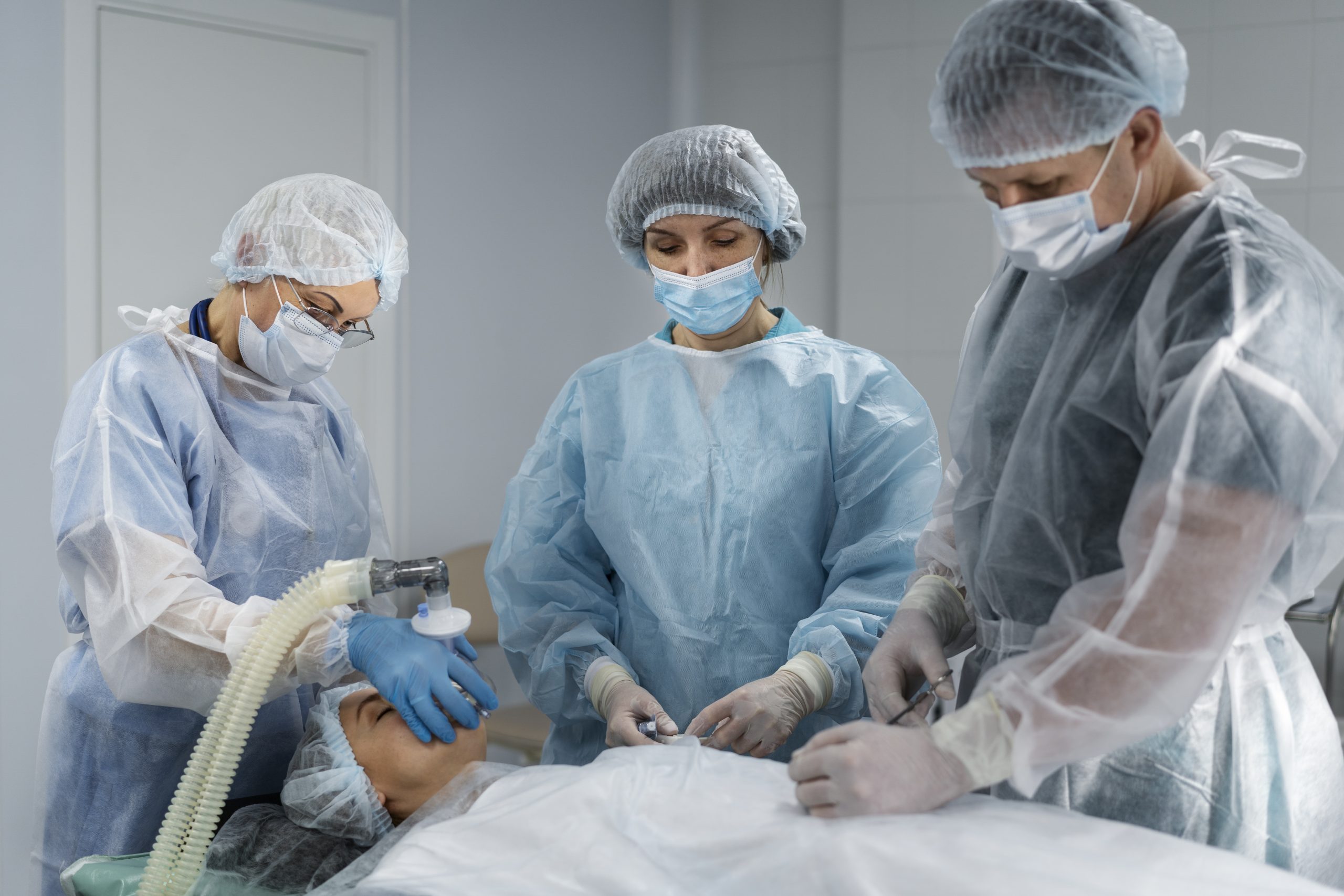
On average, a single MUA session lasts between 30 and 60 minutes. This includes the time for anesthesia administration, the actual manipulation of the joint, and immediate post-procedure monitoring. While the active manipulation usually takes only a fraction of this time, the preparation and recovery components are essential for patient safety.
The anesthesia phase allows the provider to move the joint through its full range of motion without causing pain or resistance. This controlled movement helps break up scar tissue, adhesions, and tight connective tissue that restrict mobility. Once the joint has been adequately mobilized, patients are monitored as the anesthesia wears off to ensure a safe transition to recovery.
Recovery Considerations
Although the procedure itself is relatively brief, full recovery and rehabilitation require additional time. Patients are often advised to begin physical therapy immediately following MUA to maintain improvements in range of motion and prevent stiffness from returning.
Recovery may involve gentle exercises, stretching, and sometimes occupational therapy to restore normal function. While most patients can resume light activities within a day or two, achieving maximum mobility can take several weeks, depending on the joint involved and the patient’s adherence to rehabilitation protocols.
What to Expect During a Typical Session
A typical MUA session begins with a brief consultation and review of the patient’s medical history. Once anesthesia is administered, the provider carefully moves the joint through its full range of motion. Patients remain relaxed and pain-free during this phase, allowing for more effective manipulation than could be achieved while awake.
Post-procedure, patients are monitored for any immediate side effects from anesthesia and are given instructions for home care and physical therapy. These steps help ensure the benefits of the procedure are long-lasting and that joint mobility is maintained.
Why Choose MUA Training
At MUA Training, providers receive specialized instruction in both the technical and patient-focused aspects of manipulation under anesthesia. Under the guidance of Bruce M. Fischer, training programs cover proper evaluation, safe anesthesia practices, and effective post-procedure rehabilitation strategies. This comprehensive approach ensures practitioners can deliver MUA safely while maximizing patient outcomes.
Key Takeaways
The actual manipulation during MUA is often completed within 30 to 60 minutes, but preparation, anesthesia, and immediate recovery extend the overall session time. Individual patient factors, the joint being treated, and the severity of stiffness can influence the duration.
By understanding the expected timeframe, patients can plan for the procedure, arrange post-session support if needed, and set realistic expectations for recovery.
Conclusion
Manipulation under anesthesia is a targeted procedure designed to restore joint function efficiently and safely. While the active manipulation may only take a short period, the overall session, including anesthesia and monitoring, is carefully managed to ensure patient safety.
Through specialized programs at MUA Training led by Bruce M. Fischer, practitioners gain the knowledge and skills to perform MUA effectively, helping patients regain mobility, reduce pain, and return to daily activities with confidence. Understanding the procedure’s duration and recovery requirements can make the process less intimidating and more predictable for those seeking relief from joint stiffness.

About the Author
Bruce M. Fischer, D.C., C.C.S.P.
March 2, 2026
